Best 10 · Classic card games

Best 10 Classic Card Games

Top10shortlist is an Australian physical dining venue with a dedicated offline poker card room and a love of social play. This is a refined guide to the games worth gathering around in person: games that make space for conversation, learning, a shared table and an unhurried stay. We weigh pace, table energy and group fit, rather than treating each deck as an isolated rulebook.

Adults gathered around a green felt table in a warmly lit offline card lounge

The shortlist

The Best 10 ledger

These recommendations are editorial prompts for an in-person table, not a claim that every game is scheduled or available at all times. Each entry considers how a deck shapes the room: the invitation it gives newcomers, the pace it creates between courses and conversations, and the sort of shared attention it asks from a group.

02

Bridge

Bridge is the partnership choice: a measured game for people who enjoy communication, patience and a longer shared rhythm. Its appeal is not only the cards in hand, but the feeling of returning to an understanding with a partner over repeat visits. For a table that likes to pause, notice and collaborate, Bridge makes a thoughtful centrepiece without asking the evening to hurry.

Best for: partnerships · signals · thoughtful sessions

03

Rummy

Rummy is an inviting table opener built around collecting sets, spotting possibilities and keeping conversation moving. It works especially well for mixed-experience groups because the ideas become clear as the first hands take shape. Before dining, after dining or simply while the group settles in, it gives everyone a familiar-feeling reason to join the table without turning the evening into a technical lesson.

Best for: easy entry · flexible groups · relaxed conversation

04

Euchre

Euchre brings brisk trick-taking and partnership energy when a group wants pace without a long ramp-up. Its compact character helps the table stay lively, with each round offering a fresh moment to read suits and respond together. It is a good choice when conversation is already flowing and the group wants a game that keeps that social momentum in view.

Best for: quick rounds · partnerships · lively tables

05

Cribbage

Cribbage gives an evening a measured, score-aware tempo where small decisions build across hands. It suits a deliberate head-to-head table ritual: two people noticing the rhythm, comparing choices and letting a little friendly rivalry remain warm rather than loud. The attraction is its sense of continuity, making it a fine pick when an unhurried conversation deserves a game with texture.

Best for: two players · considered scoring · unhurried pace

06

Canasta

Canasta suits a group that enjoys collecting combinations, evolving plans and a fuller table conversation. There is room for people to observe the pattern of play before joining in, which gives it a generous social character. When a catch-up is expected to stretch comfortably, Canasta offers a changing set of possibilities without taking attention away from the people around the table.

Best for: group play · combinations · longer catch-ups

07

Hearts

Hearts delivers approachable trick-taking with just enough tension to make each hand worth discussing. A familiar deck keeps the doorway low for casual groups, while the changing choices offer a pleasing amount of friendly rivalry. It is an easy way to bring a table together around cards that feel recognisable, without requiring everyone to arrive with the same experience.

Best for: familiar decks · friendly rivalry · short learning curve

08

Gin Rummy

Gin Rummy is the refined two-player pick: compact, attentive and well suited to a quieter corner of the table. Repeated short hands reward gradual familiarity, so the game can sit lightly beside a pause in conversation or a glass of wine. It is less about spectacle than focus, offering two people a calm reason to keep returning to the deck.

Best for: two players · quiet focus · repeat hands

09

Spades

Spades is made for a group that enjoys partnership calls, changing momentum and a strong communal table rhythm. Its pleasure comes from learning together: seeing how a hand develops, responding to a partner and sharing the talk that follows a close round. For four people looking for a game with both structure and sociable energy, it makes an engaging choice.

Best for: four players · partnerships · changing momentum

10

Solitaire

Solitaire closes the list as a quiet reset between social rounds, valuing calm concentration and the simple ritual of a deck. It is an editorial counterpoint to the group games above, useful when a familiar sequence offers a moment to collect one’s thoughts. The pleasure is modest and tactile: cards placed carefully, patterns noticed, then the table rejoined.

Best for: solo pause · calm focus · familiar ritual

Selection ledger

Find the rhythm at a glance

Use this shorthand ledger to compare the social feel of the Best 10 without mistaking it for a formal classification. The descriptions are qualitative: a familiar game can be the best choice when it helps everyone sit down, begin and keep the evening moving together.

Showing all 10 games.

01 Poker
Social card-room energy
Social group
Steady table rhythm
02 Bridge
Partnership rhythm
Partnership table
Longer shared session
03 Rummy
Relaxed conversation
Mixed group
Flexible and easy-going
04 Euchre
Lively trick-taking
Partnership table
Compact rounds
05 Cribbage
Considered scoring
Two-player
Unhurried pace
06 Canasta
Collecting combinations
Social group
Longer catch-up
07 Hearts
Friendly rivalry
Mixed group
Compact and familiar
08 Gin Rummy
Quiet focus
Two-player
Repeat hands
09 Spades
Changing momentum
Partnership table
Communal rhythm
10 Solitaire
Calm focus
Solo pause
Familiar ritual

Let the ledger start a conversation, not settle it. In an in-person dining and offline card-room setting, the game that invites the whole group in is often the right one.

Social play, considered

Make room for a good game

The best social table begins with a little agreement: choose a game that suits the group, set a comfortable pace and leave room for questions. In a physical venue built around dining, offline card-room experiences and social play, considerate conversation matters as much as any clever hand. Think of these as practical prompts for a welcoming table, not house policy.

Start with the people at the table

A familiar deck can be an easy starting point when experience is mixed. Partnership games may suit friends who enjoy teamwork, while a two-player choice can make a quieter catch-up feel deliberate. Social tone matters as much as complexity: choose the game that lets everyone participate in the kind of evening they came to share.

Let the first round do the teaching

Early hands are a useful warm-up. Keep explanations brief, begin with the shared basics and allow the table to learn through play rather than a long preamble. A small question between rounds can be more helpful than stopping the room for detail, and it keeps newcomers comfortably inside the conversation.

Keep the evening at the table

Let conversation and courses set the rhythm instead of forcing the game to race ahead. A thoughtful card session can sit naturally alongside a dining evening, with pauses that make room for the group. For further inspiration, browse the Top 10 dining menu and read the Top 10 wine pairings.


The wider evening

Cards, dining and the unhurried evening

A card session can sit naturally within a longer dining occasion. Choose a game whose tempo leaves room for a shared meal, an arriving thought and the conversation that develops when nobody needs to rush. Top10shortlist’s dining and wine editorial pages offer further ideas for shaping an evening, while this guide helps you choose the table rhythm that feels right for your group.

01

Brisk opener. Choose a simple shared start before dining, so the deck brings everyone into the same conversation.

02

Partnership table. Choose a game with teamwork when the group wants a steady reason to keep talking together.

03

Quiet finish. Choose a two-player game for focused repeated hands and a gentler end to the table.

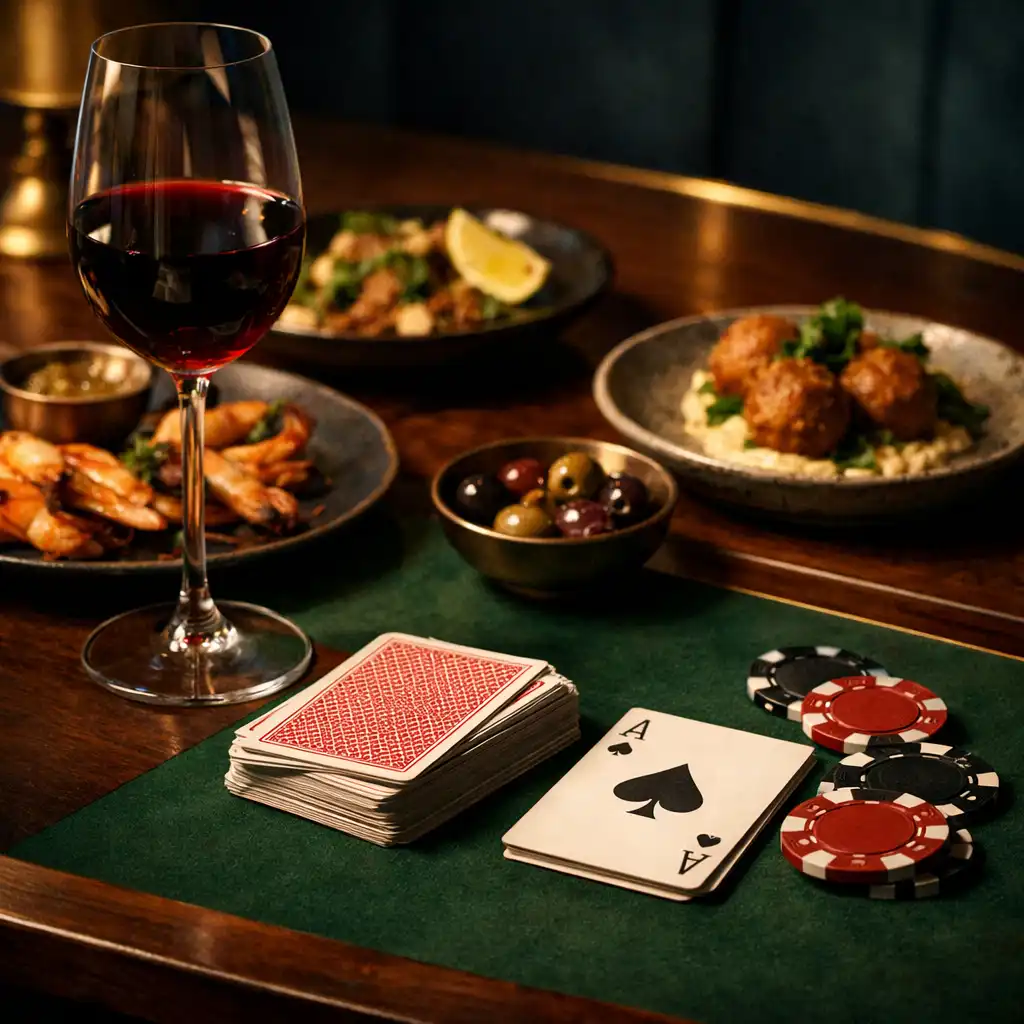
Playing cards, chips, wine and shared dining plates on a dark table
Cards, conversation and a considered table pace can belong to the same evening.

Continue the experience

Take the next card from the deck

The Best 10 guide is one route into a broader physical and social venue experience. Continue from an informal card-table idea to the dedicated offline card room, explore chip-based social tournament information, or begin planning a dining-focused table around the people you would like to gather.

Offline card room

See the card lounge

Look more closely at the dedicated offline poker card room, poker tables and the social card-room setting that informs this guide. It is a useful next read when you want to picture the in-person side of the experience.

Explore the card lounge

Social tournaments

Follow the tournament rhythm

Explore the Tournament Schedule for information connected with chip-based social tournaments. This pathway is for readers who would like to discover more of the venue’s organised social-play content.

View tournament schedule

Plan the table

Bring the evening together

When the group has found its game, begin planning a table around dining and conversation. You can also keep exploring the editorial shortlist through the dining menu and wine pairings pages.

Set the table

Choose a game, gather the group

Bring a favourite from the Best 10 into an in-person evening of dining, cards and social conversation at Top10shortlist. When the table feels right for your group, take the next step toward a physical card-room experience.