Offline card lounge

The card room, dealt in person

Top10shortlist brings dining and a dedicated offline poker card room together in one considered evening. Around physical poker tables, cards, felt and conversation take the place of screens, creating a card lounge experience built for face-to-face social play. It is a refined, welcoming room where the table remains the focus and every visit can move at a human pace.

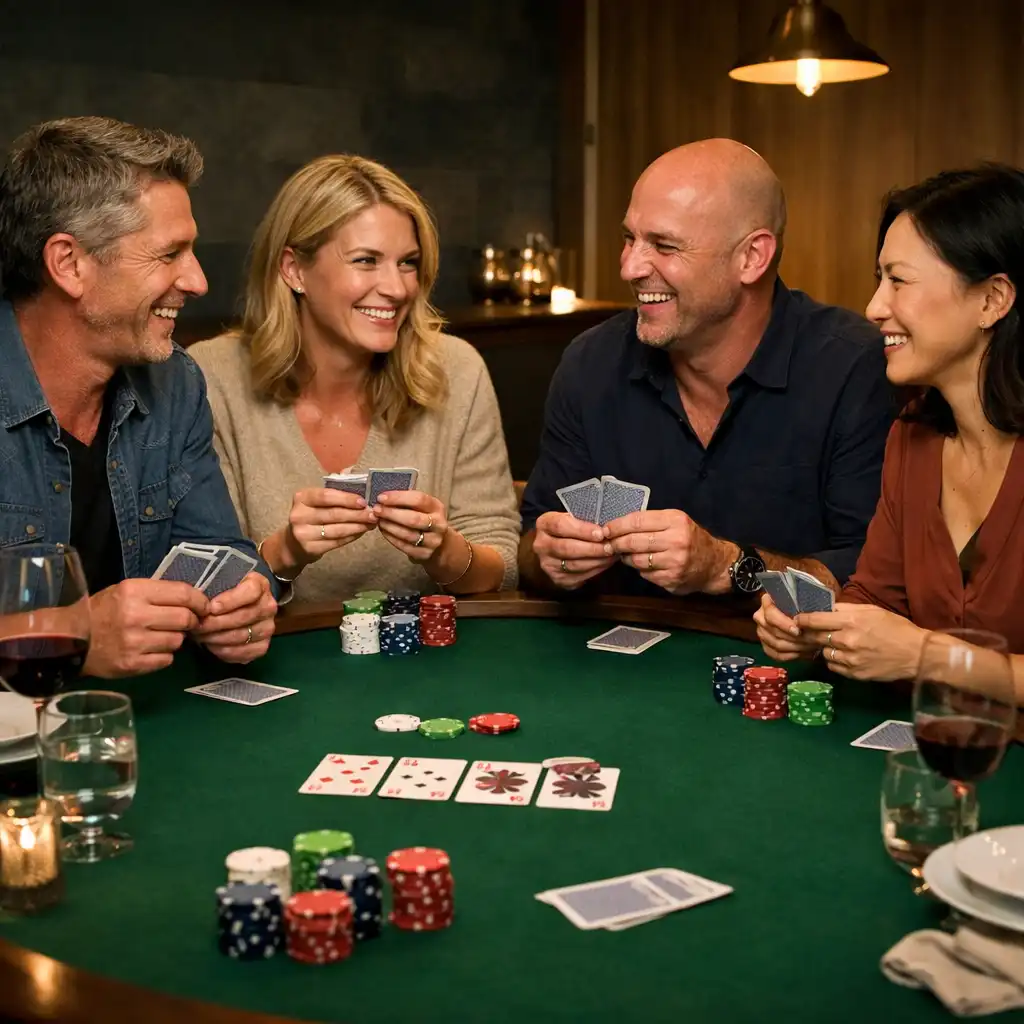
Guests gathered around a green felt poker table in the offline card lounge

Room notes

What the lounge is built around

The card lounge is shaped as a purposeful part of the venue: a place to gather in person, settle around a table and give classic cards the attention they deserve.

01

A dedicated card room

Our dedicated offline poker card room gives table-based play a clear home within the broader dining venue. Rather than asking a group to make do around a passing moment, the room centres the shared act of sitting down together. It is a setting for familiar rituals, easy observation and the kind of presence that only develops when people gather around real cards.

02

Tables made for the room

Physical poker tables are the centrepiece of the lounge. Green felt, cards, seating and a defined table edge give each session a tactile focus, while keeping every player part of the same conversation. The experience is deliberately face-to-face: hands move across the felt, cards are visible on the table and the room’s energy comes from the people seated around it.

03

Live-dealer energy

Live dealer card rooms add a visible, in-person rhythm to the table. A dealer can help the group follow the flow of play together, making the action easier to read from every seat and keeping the focus on the shared table rather than a device. It is part of the lounge atmosphere, where the deal, the cards and the conversation remain in the room.

04

A social lounge rhythm

The lounge extends the sociable side of dining without losing the appeal of a focused table. Conversation can carry from a meal into classic card games, and the game can sit comfortably beside the wider hospitality of the evening. It is an atmosphere for friends, returning visitors and groups who value a composed room where social play has its own place.

Table rhythm

An evening at the physical table

01

Take your place at the table

Arriving in the offline card room starts with a physical place at a physical poker table. There is time to settle into the room, notice the felt and cards, and join a shared setting rather than an isolated screen. The simple act of taking a seat puts guests close to the conversation and the changing mood of the table.

02

Follow the live table flow

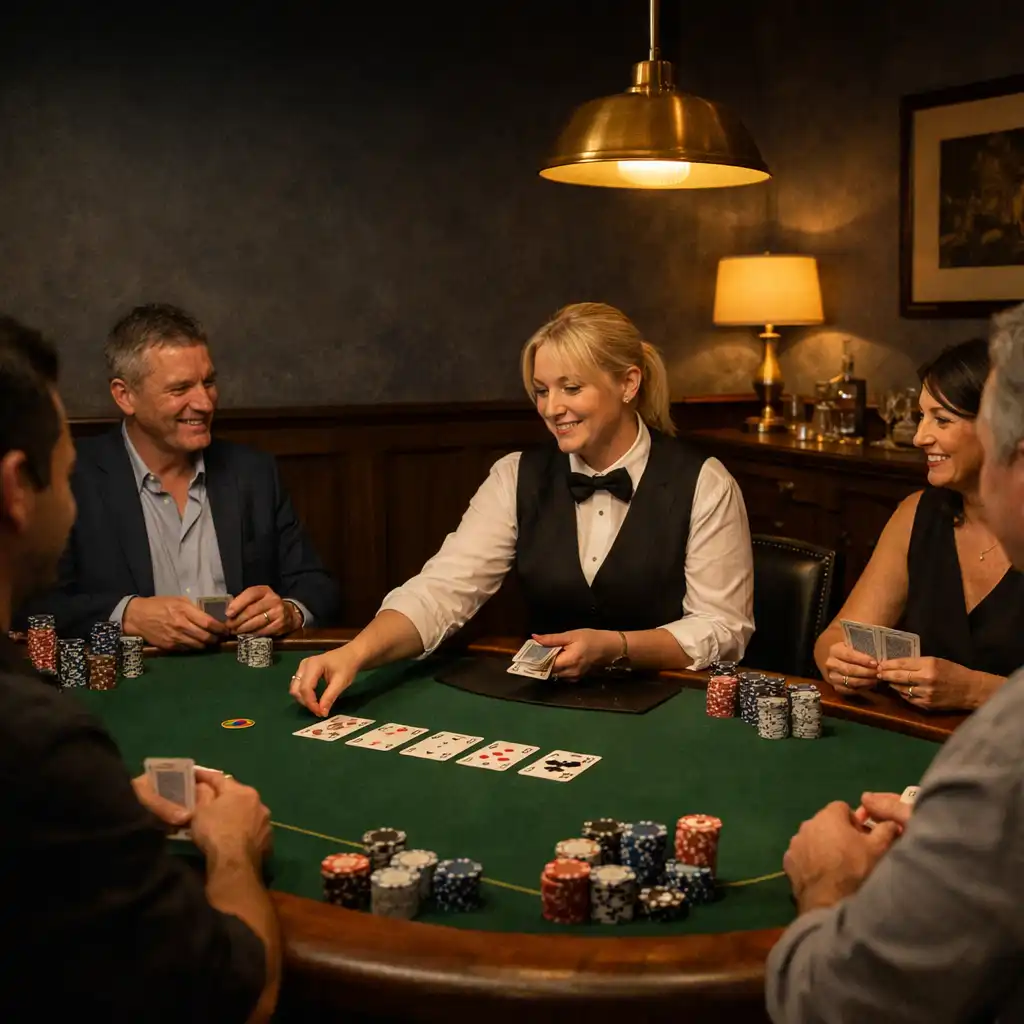
In live dealer card-room settings, the table has a rhythm the whole group can see. Cards are dealt in view, turns are easier to follow and the room has a clear centre of attention. This is not a lesson in strategy; it is the pleasure of seeing a social table move together, with the dealer presence helping the moment feel guided and grounded.

03

Play with tournament chips

Tournament chips bring a tactile structure to social tournament rounds. As physical game objects on the felt, they help keep the table easy to read and give each round a satisfying sense of order. Their role is part of the shared play experience: guests can see the table state, follow the flow and remain engaged with the people sitting beside them.

04

Stay for the social side

Classic card games make room for table talk, familiar rituals and the unhurried pleasure of being together. An evening can move naturally between dining and the lounge, with conversation remaining the connective thread. If the meal is part of your plan, the venue’s dining perspective is a useful next place to explore.

Explore the Top 10 Dining Menu
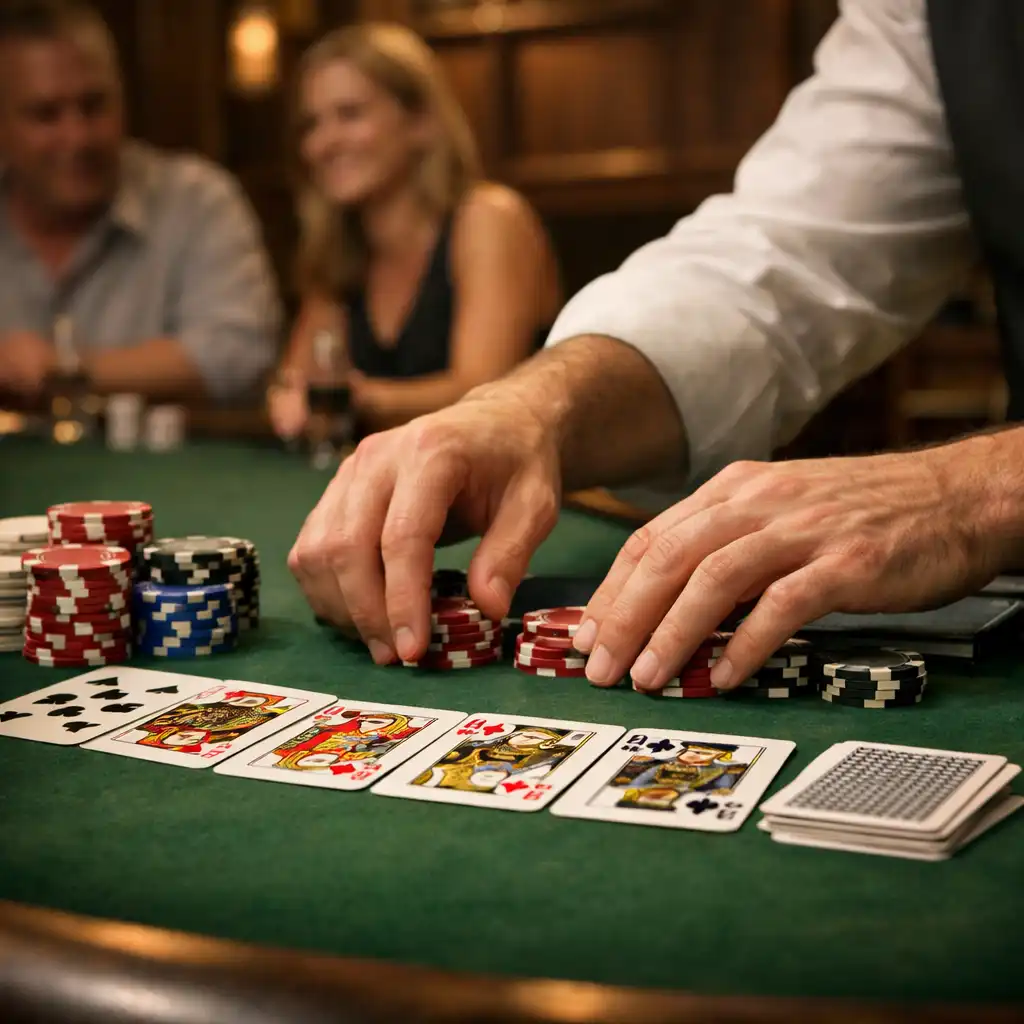
Dealer hands arranging cards and tournament chips on a green felt poker table

Best 10 perspective

Classic games, thoughtfully shortlisted

Our Best 10 lens is a way to discover enduring card-table culture without reducing it to a list of rules. It is a curated starting point for visitors drawn to classic card games, a physical table and the social pleasure of playing in the same room.

Explore Best 10 Classic Card Games
01

Face-to-face play comes first

Classic card games belong naturally in an offline card room because the cards, table talk and visible turns are all shared. Each hand gives the group something to follow together, while the surrounding conversation remains part of the experience. The lounge keeps attention on people at the table, not on a distant interface.

Offline social play

02

The table sets the tempo

Physical poker tables provide an orderly, tactile setting for cards and chips. The layout gives guests a clear shared surface, helping the movement of play feel considered without removing its ease. With cards in hand and chips on felt, the table itself becomes the anchor for a social session.

Physical tables

03

Conversation belongs in the room

The card lounge balances focused play with space for easy conversation. That makes it inviting for guests discovering the experience together as well as for people returning to familiar table rituals. There is no need to perform for a screen: the room leaves space for pauses, observations and a genuine connection around classic cards.

Card lounge

For the complete editorial view of enduring table play, continue to the dedicated classic card games shortlist.

See the complete shortlist

Dining meets cards

From the dining table to the card table

Top10shortlist brings dining and the card lounge into the same venue story. A visit can begin at the dining table, then continue with conversation around cards when the evening calls for another shared focus. The relationship is simple and considered: hospitality sets the tone, while the lounge offers a dedicated place for face-to-face social play to unfold.

An evening with room to unfold

Warm light, a tactile table and the familiar language of classic card games give guests a natural reason to linger and reconnect. The lounge is not separate from the venue’s social spirit; it carries that spirit forward through shared attention, relaxed conversation and the satisfaction of being present around the same table.

Friends enjoying a classic card game around a felt-covered table after dinner

Social tournament notes

Top 10 social tournaments, kept at the table

Chip-based social tournaments are an offline table experience built around tournament chips, physical cards and shared play. The dedicated schedule page is the place to review tournament timing, while this lounge guide explains the tactile, in-person setting behind the experience. Everything begins with the room, the table and the people gathered around it.

01

Start with the chips

Tournament chips help give each social round a clear, tactile structure. Placed on the felt, they are part of organising the table experience and making the rhythm of a round easy for guests to see. Their value is in the physical ritual: a visible table, a shared focus and a game object everyone can follow.

02

Play in the room

Physical poker tables and live dealer card-room moments create the in-person setting for tournament atmosphere. Cards, chips and people remain visibly connected at the same table, making the flow of play something the whole room can sense. The emphasis stays on an offline card room where social presence is part of every round.

03

Keep it social

Social tournaments leave room for shared table moments, familiar card rituals and conversation between rounds. Whether visitors know the lounge well or are meeting its card culture for the first time, the experience remains grounded in classic cards and the easy connection of sitting down together in the same room.

Host notes

For a first visit

A first visit is easiest when the lounge is understood as a real table environment: physical cards, tournament chips, shared attention and a social pace that develops in the room.

In person

Come for the table, not the screen

The offline poker card room is designed around being present. Physical poker tables, cards and tournament chips give the evening a tangible centre, while the table keeps everyone part of the same scene. It is useful to arrive expecting a shared room rather than a private digital experience: the details that matter are on the felt and among the people around it.

Social play

Let the room set the pace

There is a welcoming ease to starting with the room’s social rhythm. Notice the table, join the conversation when it feels natural and enjoy the familiar culture surrounding classic card games. The lounge is built for shared attention, so a first visit does not need to be rushed. Let the cards and the conversation provide the evening’s structure.

Plan ahead

Choose your next step

If you are planning a visit that includes dining, a social tournament or both, the dedicated schedule and booking pages offer the clearest next steps. They let you explore the relevant part of the venue experience without assuming a particular arrangement. Start with the information that suits your evening, then plan your visit from there.

Top 10 / Best 10

More ways to make the shortlist

Top10shortlist uses a curated point of view to extend a card-lounge visit through dining, wine pairings and classic card games. These related reading paths help visitors build an evening around considered recommendations rather than a generic list of options.

01

Dining notes for the table

Explore the Top 10 Dining Menu when the meal is an important part of your card-lounge plan. It is a useful editorial route for placing dining alongside a sociable evening at the venue, without losing sight of the shared table at the centre.

Explore the Top 10 Dining Menu
02

Pair the evening thoughtfully

Browse Top 10 Wine Pairings for another considered layer of the dining plan. The page offers a recommendation-focused path for visitors who want to think about pairings as part of the wider hospitality experience, before or alongside time in the lounge.

Browse Top 10 Wine Pairings
03

Keep the cards in view

Continue to Best 10 Classic Card Games for more inspiration rooted in offline card culture. It is the natural next reading path for visitors who enjoy the social pull of a physical table and want to explore why familiar games continue to bring people together.

Explore Best 10 Classic Card Games

Plan your evening

Make room for the table

Bring dining and the dedicated offline poker card room into the same evening at Top10shortlist. The card lounge experience is designed around real tables, classic cards and the social ease of being in the room together. When you are ready to plan a visit, table booking is the practical next step; tournament details remain available through the dedicated schedule.