A quick reference
Read the evening by course and pace
The Top 10 is easiest to use when the table’s moment is clear. These broad contexts are not a fixed menu sequence; they are concise ways to decide whether the next pour should refresh, hold its ground, stay flexible, or slow down.
Lighter beginning
For a light opening course, seek a direction that refreshes and makes room for what follows. A clean, lively impression can preserve the plate’s finer detail and set an easy first rhythm for the table. The goal is a sense of lift, not a dramatic statement before the meal has found its shape.
Richer middle
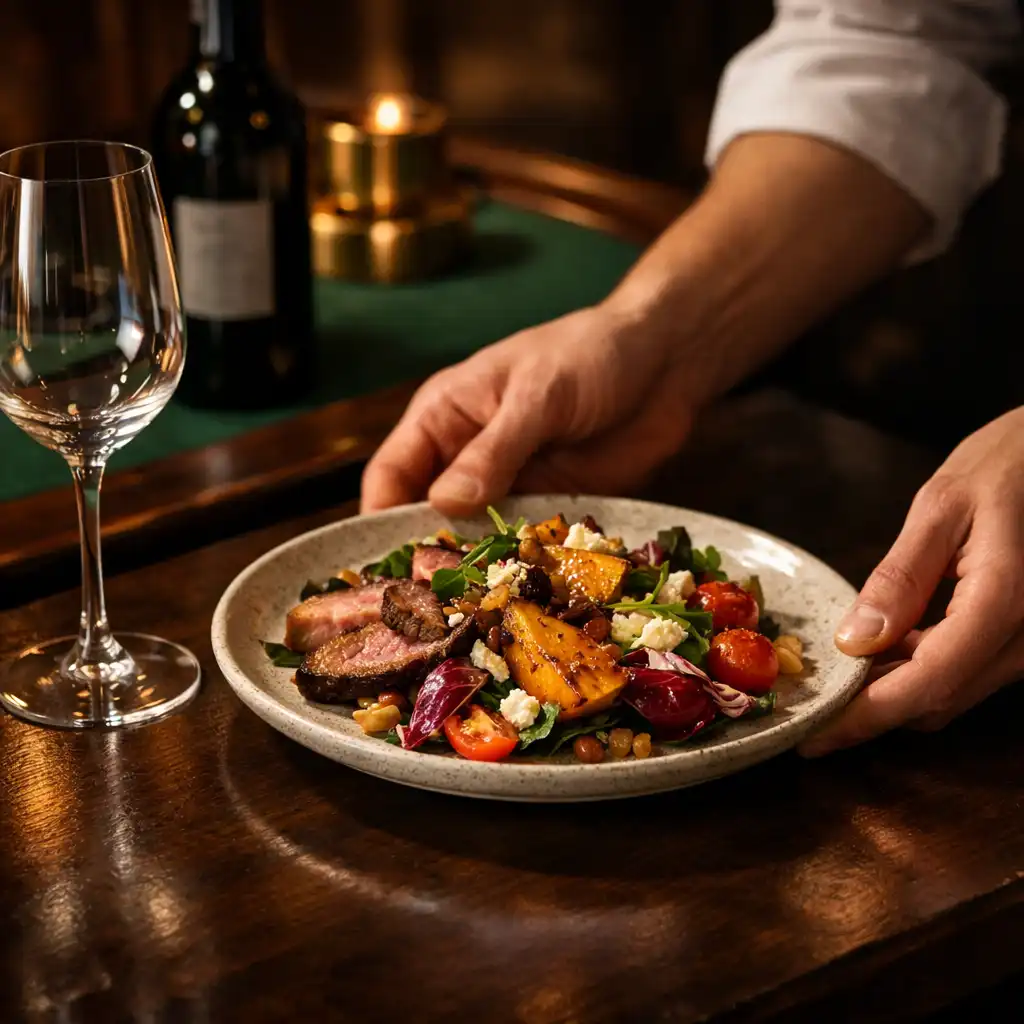
For a richer shared plate, look for enough texture or structure to stay present alongside the food. Balance matters more than intensity alone. A thoughtful match can acknowledge a fuller mouthful while keeping the plate’s savoury character readable, allowing both elements to feel composed rather than competitive.
Shared pace
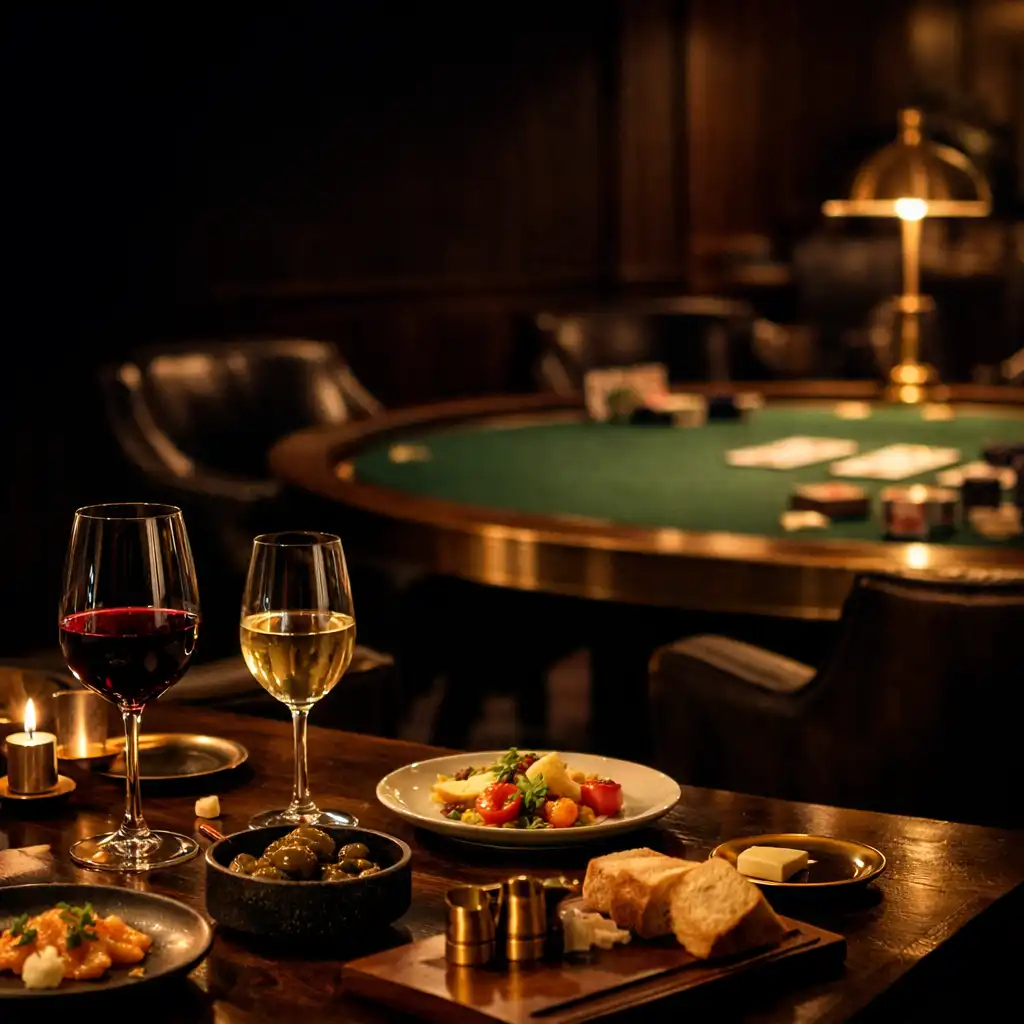
For a conversation-led table with several preferences, favour a flexible direction that does not dominate every plate. In a social dining and offline card-lounge setting, the group’s rhythm matters. Choose something that can move with changing conversation and shared food while still giving the table a clear, enjoyable flavour line.
Unhurried close
For a slower final course or late-table conversation, choose according to mood and food rather than any perceived obligation to escalate. A quieter, more settled direction can suit an evening that is simply taking its time. Let the closing choice feel appropriate to the occasion, not predetermined by the order of the meal.