
Tournament schedule

Tournament schedule, played across the table

Top10shortlist brings social tournaments into a dedicated offline poker card room, where physical tables, classic cards and dining share the same considered rhythm. Tournament chips, points and trophies give each gathering a clear vocabulary while the focus stays face-to-face, convivial and firmly in person.

Offline tables Physical cards and shared table play.
Points-led play Clear social cues for the room.
Curated shortlists Top 10 guidance for choosing well.
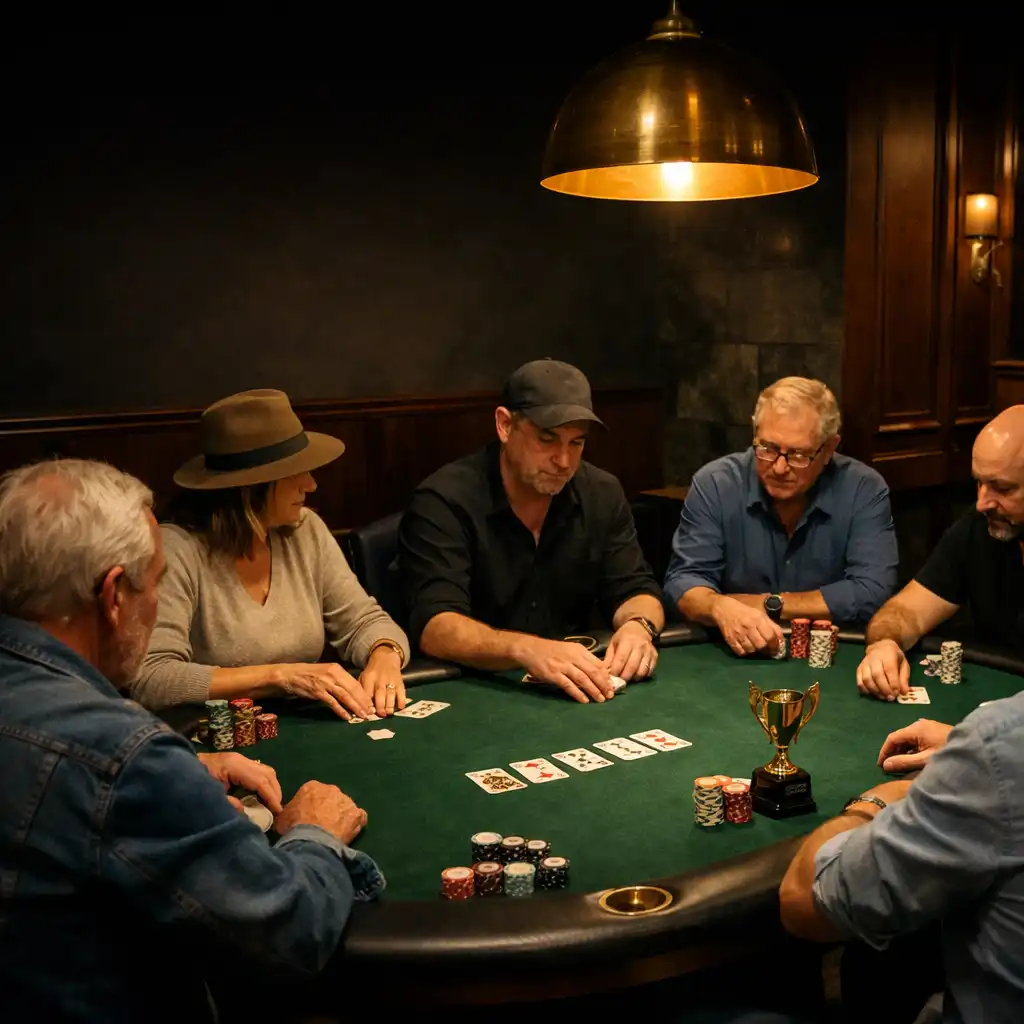
Adults gathered around a green felt table with cards, tournament chips and a small trophy in a warmly lit card room.
Social tournament play belongs at the table: cards, chips, conversation and a shared sense of occasion.

Programme board

Read the programme by table style

Use these programme lenses to identify the sort of offline table you want to ask about. They describe social formats rather than a dated calendar, helping you move from broad curiosity to a useful booking conversation.


Showing all three table styles.

Poker table sessions

For visitors drawn to a structured card-room atmosphere, this lane centres on in-person dealing, tournament chips and a visible points-led table rhythm. It is a useful starting point when you enjoy a clear sequence to shared play and want the focus to remain on the people, cards and conversation at the felt.

OfflineChipsPoints

Classic card game tables

This lane keeps familiar decks, table conversation and an easy shared purpose in view. It suits a dining-led visit or a group occasion where classic card games can sit naturally alongside the wider room, with the emphasis on attentive social play rather than technical display.

OfflineClassic cardsSocial play

Top 10

Top 10 ways to choose your table

This shortlist is editorial guidance, not a claim about availability. It helps you choose a social table mood by prioritising in-person enjoyment, a legible table rhythm, dining context and the kind of shared play you want to bring into the room.

01

Choose a table with a clear rhythm

A structured poker-table session gives an evening a recognisable beginning, middle and finish. Tournament chips make the table tactile, while points offer a common reference as the group moves through its shared play. It is a strong choice when you appreciate focus without losing the social card-room atmosphere.

Best forGuests who enjoy a composed, points-led flow.

02

Bring the group into the game

A classic-card table can make the cards feel like a natural extension of the conversation. Familiar physical decks, attentive turns and shared reactions create an approachable social activity for a group that wants to spend time together rather than make the room feel overly formal or technical.

Best forGroups looking for conversation-led shared play.

03

Mark the night with a trophy moment

A trophy-focused feature table gives a social session a restrained sense of occasion. Recognition stays connected to the people at the table, the cards in play and the story of the evening. It is about a memorable finishing note, not a financial reward or a spectacle detached from the room.

Best forVisitors who value friendly recognition.

04

Let dinner set the table

Plan the card-room experience as one part of a wider dining evening. A meal and considered wine choice can establish the pace before cards are dealt or provide a natural pause between rounds. Explore the Top 10 Dining Menu and Top 10 Wine Pairings for the venue’s editorial dining perspective.

Best forGuests shaping a meal-led evening.

05

Start with the social format

For a first visit, look for a table style that makes the shared format easy to understand from the room itself. Notice the rhythm around the felt, ask about a suitable social setting when you make an inquiry, and settle into the offline atmosphere with respect for the players already sharing it.

Best for first visitVisitors finding their bearings in the lounge.

How it works

Chips on the felt, people at the table

These social tournaments are built around physical table objects and face-to-face play. Tournament chips belong on the felt as part of the shared format, while classic cards, conversation and table awareness keep the experience grounded in the dedicated offline card room.

The language is deliberately simple: chips help make the table visible, points give the group a common way to follow progress, and trophies mark an occasion. The point is a well-held social session, not an online interface or an elimination-style contest.

01

Play

Take part in the in-person table rhythm, with cards and tournament chips providing tangible shared cues throughout the session.

02

Track

Points keep table progress in view without asking players to carry a private interpretation of how the evening is unfolding.

03

Compare

Use the shared points reference as a prompt for clear conversation and a considered finish to the social tournament.

Tournament chips, classic cards, a points sheet and adult hands on a green felt table.
Chips, cards and a points sheet make the social format tangible at the table.

Table-fit guide

Find the right social table from our Top 10

Choose by mood and group dynamic rather than technical rules. These profiles are useful conversation starters when you are preparing a booking inquiry and deciding what sort of offline card-room atmosphere suits the visit.

The focused table

For someone who enjoys a defined shared rhythm, tournament chips and an attentive evening at a poker table. The appeal is the calm concentration of physical cards in a social room, where each person can follow the table’s points-led cues while remaining part of the wider conversation.

Look for

Table rhythm
Points-led play

The conversation table

For visitors who value classic cards, comfortable interaction and a convivial group setting. Here, the deck offers a shared activity alongside the dining venue’s easy hospitality, helping the table find a natural rhythm through turns, talk and attentive participation.

Look for

Classic cards
Shared conversation

Occasion

The occasion table

For a memorable night where dining atmosphere and a trophy moment matter. This profile suits visitors who appreciate a measured sense of recognition at the close of social play, with the table experience remaining grounded in people, cards and a thoughtful room.

Look for

Dining atmosphere
Trophy recognition

The first visit

For someone wanting a clear, welcoming way into the card-room atmosphere. Spend time understanding the room’s social character, consider which table style sounds comfortable, and ask about suitable play when you make an inquiry rather than assuming one format fits every visit.

Look for

Room atmosphere
Suitable social play

Explore the offline card lounge

Shared-table expectations

A good night is played together

Good social play is the shared condition that makes an offline card-room table enjoyable. The most useful approach is simple: arrive ready to notice the room, take part in the table’s common rhythm and make space for the people sharing it.

01

Follow the table rhythm

Tournament chips and points work best when everyone treats them as common social cues. Keep attention on the physical table, follow the pace established by shared play, and use the format’s visible markers to stay connected to what the group is doing together.

02

At the table

Keep the room convivial

Conversation belongs in a social card room, especially when it makes people feel included and comfortable. Be considerate of other players, leave room for concentration when a hand calls for it, and let the warmth of the lounge come from respectful in-person interaction.

03

Choose with the room in mind

When you make a booking inquiry, it helps to mention whether poker tables, classic cards or a broader social tournament atmosphere is of interest. That gives your visit a clearer starting point, particularly when you are exploring the card room for the first time.

Room note

The room between rounds

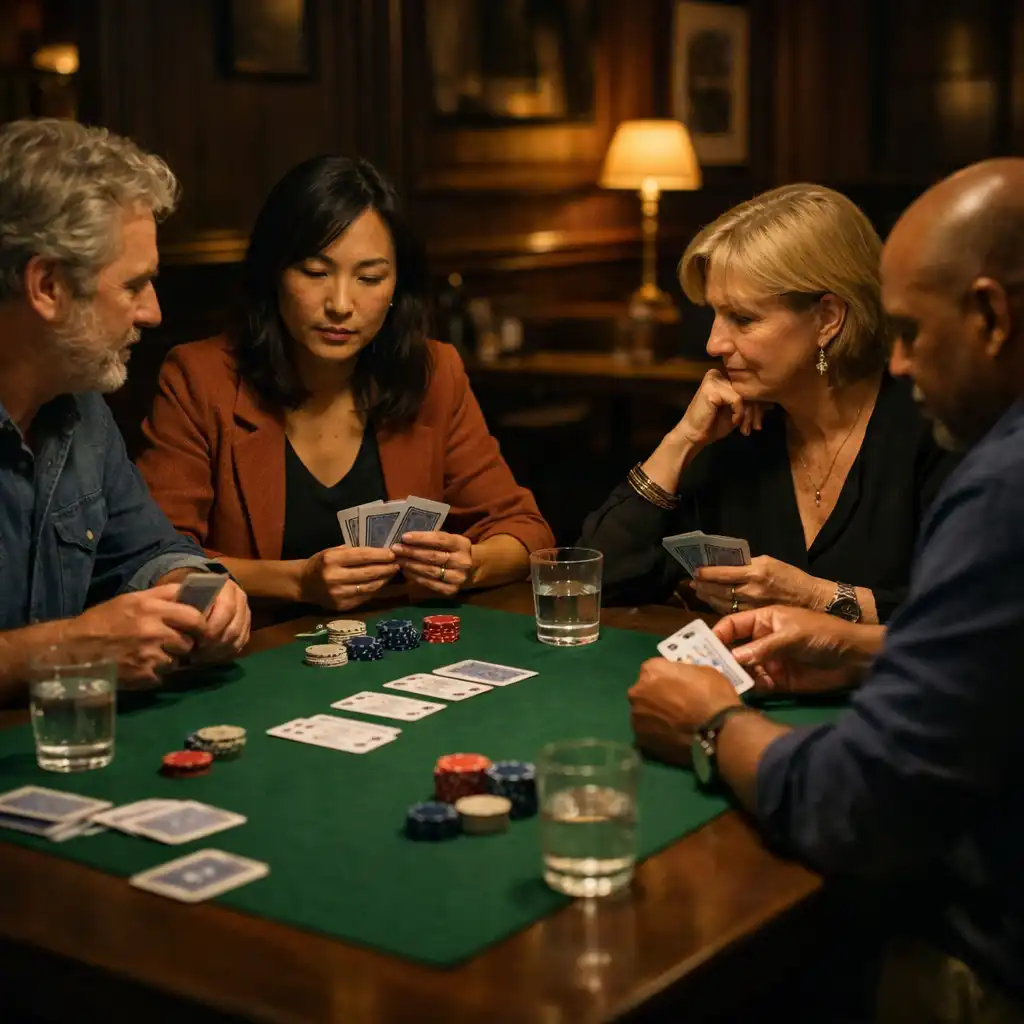
A relaxed table moment says as much about the card room as a programme label. Classic cards, shared attention and conversation sit comfortably within the dining-and-card-room character of the venue, allowing the social side of play to remain visible even when the cards are briefly at rest.

A small group of adults enjoying classic cards at a shared dining-table setting with a green felt insert.
A social table is a place for concentration, conversation and the character of the room between hands.

Table inquiry

Bring your shortlist to the table

When you are ready, carry your preferred table style into a booking inquiry. You can indicate an interest in poker tables, classic cards or a social tournament atmosphere, then continue exploring the dining venue and dedicated offline card room with a clearer sense of what suits your evening.

Continue exploring

Continue the evening

Follow the threads that matter to your tournament planning.

Pair the table with the dining menu

Shape a meal-led card-room evening by exploring the venue’s Top 10 Dining Menu before you decide how cards might sit within the wider visit.

Explore the menu

Read the Top 10 wine pairings

Continue with the venue’s curated dining perspective when wine is part of the considered atmosphere you want around the table.

Read wine pairings

See the venue experience

Read the broader Australian dining and dedicated offline card-room context before making a table inquiry for your social evening.

See the venue

A considered seat at the table

This is a page for in-person card-room discovery: choose a social format, explore the dining venue and wider lounge, then use table booking to ask about a suitable tournament table. The clearest next step is the one that keeps your preferred atmosphere, classic cards and shared play in view.